
For a more detailed comparison of lorazepam and other benzodiazepines, check out our full guide comparing Lorazepam vs Diazepam.
Ultimate Guide to Lorazepam for Anxiety Treatment in 2025
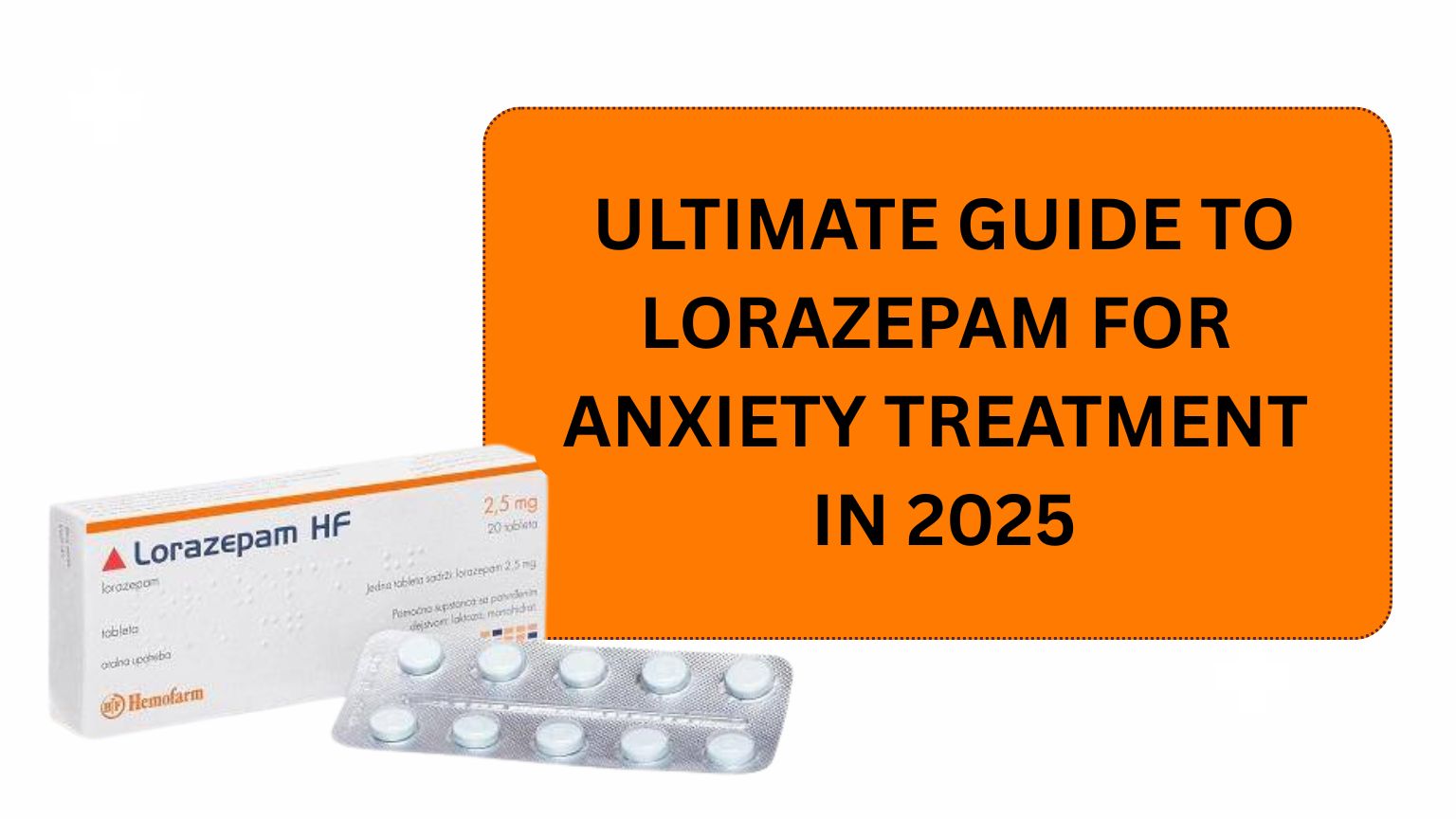
Anxiety disorders affect millions of people worldwide, disrupting daily life and causing overwhelming worry, fear, and panic. In 2025, Lorazepam remains one of the most effective treatments for providing short-term relief from severe anxiety. It works quickly and efficiently, making it a go-to option for individuals dealing with acute anxiety or panic attacks. This guide explains how Lorazepam works, its benefits, risks, and how to use it safely.
What Is Lorazepam and How Does It Help with Anxiety?
Lorazepam is a benzodiazepine medication used for the short-term relief of anxiety, panic attacks, and acute stress reactions. Known for its quick action, it helps individuals manage anxiety when they need relief fast. By enhancing the effects of GABA, a neurotransmitter that slows down excessive brain activity, Lorazepam calms the central nervous system, which in turn reduces anxiety symptoms.
How Lorazepam Works in the Body:
- Enhances GABA Activity: Lorazepam binds to GABA receptors in the brain, leading to calming effects. This is why it’s categorized as a central nervous system depressant.
- Rapid Action: The drug offers fast relief, often within minutes of taking it, making it an excellent choice for managing acute anxiety episodes.
- Dual Benefits: Lorazepam not only helps with mental symptoms, such as anxious thoughts, but also addresses physical symptoms, like muscle tension and shakiness.
Although effective, Lorazepam is not recommended for long-term use due to the risk of dependence and tolerance. It works best when used alongside other treatments, such as SSRIs, SNRIs, or cognitive-behavioral therapy (CBT) for long-term anxiety management.
Why Lorazepam Remains Relevant in 2025
Lorazepam continues to be a preferred choice for managing acute anxiety in 2025, thanks to its efficacy, quick onset, and wide-ranging benefits. Here are the key reasons why it’s still highly relevant:
- Immediate Relief: Unlike SSRIs and SNRIs, which take weeks to produce results, Lorazepam provides immediate relief. This rapid action makes it ideal for managing acute anxiety or panic attacks.
- Versatility: It addresses both mental symptoms (like racing thoughts) and physical symptoms (such as shaky hands and muscle tension), offering comprehensive relief.
- Effective for Situational Anxiety: Whether you’re facing a high-pressure situation like a medical appointment, public speaking, or a flight, Lorazepam helps manage situational anxiety effectively.
Important Guideline Note:
Though Lorazepam is highly effective for short-term relief, it is not intended for long-term use. Prolonged use can lead to dependency and tolerance, which is why it’s mainly prescribed for short durations during acute anxiety episodes.
Uses of Lorazepam
Lorazepam is often prescribed to treat various anxiety-related conditions. It provides short-term relief for the following:
- Acute Anxiety Episodes: Lorazepam offers immediate relief for panic attacks, helping people regain composure and control quickly.
- Acute Insomnia Related to Anxiety: For individuals who experience insomnia due to heightened anxiety, Lorazepam helps them sleep and relax.
- Stress-Induced Sleep Issues: It’s also effective for those who experience anxiety-related sleep disturbances, such as pre-surgery anxiety or stress related to major life events.
Despite its effectiveness for short-term relief, Lorazepam should not be used for chronic anxiety or depression management. It works best as a rescue medication, offering temporary relief while other treatments take effect.
Benefits of Lorazepam for Anxiety Treatment
Lorazepam remains a preferred medication for anxiety relief due to several key benefits:
Fast Relief: Unlike other medications that take weeks to show results, Lorazepam provides immediate relief. Patients often begin to feel better within minutes.
Effective for Acute Anxiety: It is particularly beneficial for:
- Severe panic attacks that disrupt daily activities.
- Situational anxiety triggered by stressful events, such as public speaking, meetings, or medical appointments.
- Physical symptoms like shaky hands and muscle tension.
Short-Term Support: Lorazepam can act as a stabilizer during high-stress periods, giving other treatments time to work.
Risks, Side Effects, and Safety Precautions
Despite its effectiveness, Lorazepam has several risks and side effects that need to be carefully considered:
Common Side Effects:
- Drowsiness: Can affect alertness and focus.
- Slower Reaction Time: Impairs coordination and reaction time.
- Memory Issues: Short-term memory loss is possible.
- Dizziness: Lightheadedness may occur, particularly when standing up quickly.
Dependency and Tolerance:
- Risk of Dependency: Lorazepam can be habit-forming, particularly when used for extended periods. It’s important to follow your doctor’s instructions to minimize this risk.
- Tolerance: Over time, you may need higher doses to achieve the same effects, increasing the risk of dependency.
Withdrawal Symptoms:
- Abrupt Discontinuation: Discontinuing Lorazepam suddenly can lead to withdrawal symptoms, such as anxiety, agitation, and seizures. Gradual tapering under medical supervision is essential for safe discontinuation.
Who Should Avoid Lorazepam?
Certain individuals should avoid using Lorazepam:
- Former substance abusers
- People with severe respiratory conditions
- Pregnant or breastfeeding women (consult with a doctor)
Always follow your doctor’s guidance to ensure safe use of Lorazepam.
Lorazepam vs Other Anxiety Treatments
SSRIs and SNRIs:
- SSRIs and SNRIs are used for long-term anxiety management. These medications typically take weeks to show results, making them suitable for chronic anxiety.
- Lorazepam, on the other hand, provides short-term relief. It’s effective for acute episodes but should be used temporarily while long-term treatments become effective.
Lorazepam vs Therapy:
- Cognitive Behavioral Therapy (CBT) and other therapies are proven long-term solutions for anxiety. However, Lorazepam can help manage acute anxiety in the short term while therapy works to address underlying issues.
- Combination Approach: Lorazepam should not replace therapy but can be used alongside it to provide relief in acute situations.
Tips for Safe Use of Lorazepam in 2025
If you’re prescribed Lorazepam, here are some important safety tips to follow:
- Avoid Alcohol: Combining alcohol with Lorazepam can enhance its sedative effects, which can be dangerous.
- Do Not Share Your Medication: Only take Lorazepam as prescribed by your doctor. Never share it with others.
- Consult a Doctor Before Stopping: Do not abruptly stop taking Lorazepam without medical supervision, as withdrawal can occur.
- Track Your Symptoms: Keep a record of how often you take Lorazepam and discuss it with your doctor to ensure you’re not becoming overly reliant on it.
Final Thoughts — Is Lorazepam Right for Anxiety in 2025?
As of 2025, Lorazepam remains a highly effective treatment for acute anxiety. It provides rapid relief from anxiety and panic episodes, making it an essential medication for short-term use. However, it should always be used under medical supervision due to its potential for dependency and withdrawal.
If you’re considering Lorazepam for anxiety relief, consult with your healthcare provider. They can assess whether it’s the right option for your needs and recommend the appropriate dosage and treatment plan.
Consult your healthcare provider today to determine if Lorazepam is the right solution for your anxiety. For more information, talk to your doctor to make sure it’s right for you.
If you’re looking to Buy Lorazepam UK, ensure you’re using a trusted platform. Bestonlinepharmacyuk offers a safe, legally compliant process for purchasing Lorazepam after medical consultation. Always follow medical advice to ensure you’re using the medication safely and effectively.
FAQ (Frequently Asked Questions)
Is lorazepam addictive?
lorazepam Dosage Guide
Is long-term lorazepam uses safe?
What is the proper dose of lorazepam for anxiety?